Up next in 10



Learn More About Your Boats Systems By Joining The Born Again Boating Academy! https://www.bornagainboating.com/
Get Your Born Again Boating Clothing! https://www.bornagainboatingshop.com
Get Savings On Boat Parts With BAB Coupons At Partsvu Here:
https://shareasale.com/r.cfm?b=1991037&u=3159438&m=119617&urllink=&afftrack=
Please Buy Anything From This Link To Amazon & Help Us Keep Bringing You Content!!!! https://www.amazon.com/?&_encoding=UTF8&tag=bornagainboat-20&linkCode=ur2&linkId=97bb1968e1ac47dfc3703d401d95fb5a&camp=1789&creative=9325
-------------------------------------------------------------------------------------------------------------------------------------------------------------
PARTS USED:
-------------------------------------------------------------------------------------------------------------------------------------------------------------
DONATE
Paypal: https://www.paypal.me/bornagainboating
-------------------------------------------------------------------------------------------------------------------------------------------------------------
JOIN THE BORN AGAIN BOATING COMMUNITIES!
Instagram: https://www.instagram.com/born_again_boating/?hl=en
Show More Show Less View Video Transcript
0:00
Welcome everybody, it's Technicians Tuesday and we are back on schedule
0:06
Everything went great at school this year and we've even got some Yamaha gear to give
0:11
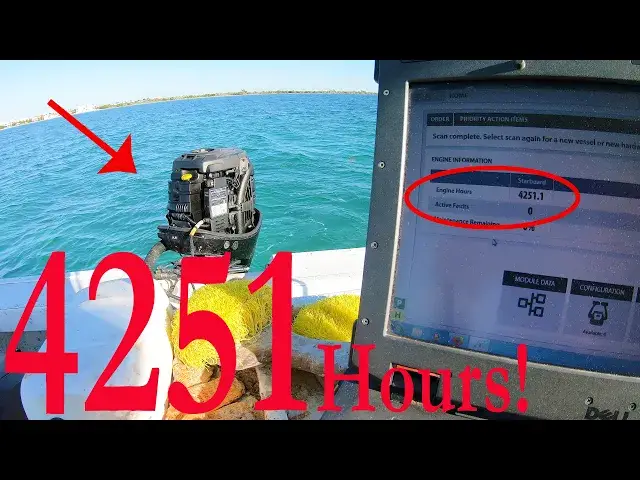
away this week for the comment contest. Now we all want to get as many hours out of our boats as we possibly can
0:18
That's why today we are going to go over the best ways of making sure our engine last for
0:23
as long as it can. I'll put links in the description below to how to videos and articles from our website
0:29
that will cover each of these points in much more detail for you. The first thing we need to cover is cleanliness
0:36
As an engine ages and we put more use on the boat, the engine will begin to corrode, get salty, dirty
0:43
and sometimes even develop leaks. Whenever the cowling is on the engine and it is running
0:48
it is sucking in the air that is inside of the cowling. If the engine is completely covered in salt, moisture, and dirt
0:54
then that means that it is breathing in all of that dirty air
0:58
which is going to be doing damage to the internal components of the engine
1:02
Usually wearing out the valves and other internal components quicker than normal
1:07
which is why we have a video about how to go about cleaning your engine and you can click the card in the top right-hand corner to check that out
1:18
Now if having clean air is important, then you can probably guess how important it is to have clean fuel
1:23
Of course, it is recommended to use non-ethanol fuel, but it's also understandable that there are some places where that is not available
1:31
which is why you need to know that ethanol is alcohol and it is made from corn
1:36
This means that when running ethanol fuel, the engine is basically running leaner
1:40
or not getting all of the fuel that it needs. Most engines from the past decade or so are built to run on no more than 10% ethanol
1:49
If ran on 15% ethanol, usually within under 300 hours, it will burn out the valves and destroy the engine
1:57
It's also important to know that you don't want to store fuel because it breaks down and spoils
2:03
Just like milk does, if milk is left out in the sun for 24 hours
2:07
you aren't going to want to drink it. Fuel left in the tank for too long will have the same effect on the engine
2:13
Gumbing up fuel injectors VST filters and making the engine run poorly this all takes a toll on the engine and if you want more hours from your engine try to run the freshest fuel that you can And if you have to run ethanol if possible try and run a tank of non every two
2:29
or three fillups to combat the breakdown. So we've got a clean engine with clean fuel, and now we need to make sure that the inside
2:37
of the engine is clean as well. Some people are totally for it and others are against it, but if you run the boat in saltwater
2:44
it's important to freshwater flush the engine. If you don't plan on keeping the engine for 10 years or more
2:50
then this probably doesn't apply to you, but running salt away once a season
2:54
and freshwater flushing the engine after each use will help to prevent salt from building up
3:00
inside of the engine's cooling passages, causing the engine to run hotter
3:04
wearing out the internal components quicker than they should, as well as corroding away and eating at the engine
3:10
from the inside out. We've seen certain engines where the corrosion will eat
3:14
hole from the cooling passages into the oil passages. And water in the oil is never a good mixture
3:21
The best example for this are the 2001 to 2004 Yamaha F225 four strokes
3:27
The midsection of these engines would rot away and need to be replaced
3:31
This is a defect in this engine, but it's a good example of what eventually happens on the
3:36
inside of an engine. And you can get more hours out of it by preventing this by flushing the engine after using
3:42
it and before letting it sit. Which is another point in how the boat is stored
3:47
Before storing it, you want to winterize or summarize the engine, mainly treating the fuel system and checking the lower unit for water
3:55
You don't want to have an unknown leak and then store the boat for the season with the gear case full of water
4:01
That water will rust away the bearings and gears, then when you go to use it next season, portions of the gears and bearings will just break down
4:08
Creating premature problems that will eventually cost you some serious cash in replacing the gear case
4:14
The most obvious of all our points today is the maintenance portion
4:18
Performing normal service on the engine will always make it last longer and run for way more hours
4:24
I've seen engines that have dirty oil filters running with oil pressure that is under 40 pounds of pressure
4:29
After changing the oil filter, they would come up to over 70 pounds of pressure, and that is a lot
4:35
And the internal damage that comes with running an engine with low oil pressure for extended periods of time will shorten the life of that engine and you don want to be the person that is paying the bills for that engine
4:46
Changing the fuel filters, oil filters, running clean oil, clean gear lube, spark plugs, thermostats
4:52
and other normal service items will always add to the lifespan of the engine
4:59
It's best to get yourself into a routine, a schedule, or a system that is automatic to
5:05
service the engine. A lot of people just perform the service before storing their boat for the
5:09
winter or the summer. Others stick to the 100-hour intervals and service it every 100 hours
5:15
You can change impellers and thermostats one year, then change spark plugs to next. That will even
5:21
out the cost of the service. Whatever system works for you that gets the service done without you
5:26
having to think about it, that's what's going to be best. Other not so common things or habits
5:31
to have are greasing up grease points like cowling latches and steering tools
5:35
as well as spraying off the rams of the steering cylinder and the trim and tilt ramps to prevent pitting
5:41
These rams can begin to pit and tear up the seals, allowing water to enter into the system, causing internal damage and costing you money
5:49
So getting the habit to spray them off after every use and then checking them once a year
5:54
will save you money and add to the life of these components. Now the last thing we want to cover has to do with the operation of the boat
6:03
They may seem obvious, but you will want to know about them because if you don't
6:07
then you won't be getting the best fuel economy that you could
6:13
For shifting and throttling, if you have digital throttle and shift, this doesn't apply to you
6:17
but for everyone running control cables this does. We've seen it a lot, and that's damage to the lower unit because of slow shifting
6:25
Slow shifting grinds the clutch dog that is inside of the lower unit, and that will shorten the life of that lower unit
6:31
There are five positions on a control box. Reverse wide open throttle, reverse detent, neutral detent, forward detent, and wide open throttle
6:42
When shifting a boat, it's not like an airplane. You want to shift quickly and then wait
6:46
When going into gear from neutral, you want to quickly pop it into that forward or reverse detent
6:52
to keep the clutch in the lower unit from grinding. Then when returning to neutral from gear you want to come back to that detent and let the engine RPM come down before returning to neutral That will make the lower unit last way longer and if you going from forward to reverse
7:08
you want to pause for a second neutral to allow the clutch to slow down
7:13
Remember that forward is spinning one way and reverse is spinning in the complete opposite direction
7:18
If we go straight from one to the other, then that clutch will go from spinning in one direction
7:23
to sudden stoppage and immediately spinning the other way. With the weight of the water and the boat and the force of the prop
7:30
that clutch can only take so much before it explodes. For more information about shifting in boat control
7:36
check out our docking video by clicking the card at the top. Now before the last tip, which will save you at the pump
7:42
you'll want to get subscribed to the channel, follow us on Instagram, and drop a comment below with a hashtag Yamaha
7:48
to be eligible to win this Yamaha hat and this Yamaha Marine University
7:53
glasses keeper. Our last tip on getting more hours from your engine has to do with the
7:58
RPMs and cruising speeds that we run in. It may sound strange, but occasionally running the
8:03
engine at wide-open throttle is actually good for the engine. It helps to bring the engine up in
8:09
temperature and it helps to burn out carbon deposits that can build from running the engine at low
8:14
idle for too many hours, such as long no-wake zones and lots of time spent trolling with
8:19
only a couple thousand r pms. These low speeds will allow that carbon to build up and if you don't
8:26
use ring-free or quick clean then that carbon will eventually cause damage to the engine and shorten
8:31
its life. Cruising is also important once you find your cruising speed that you like with your
8:36
boat you can trim the engine up a little bit and that will lift more of the boat out of the water
8:41
lessening the drag on the boat and allowing the engine to consume less fuel saving you some more
8:47
money. This is because when the engine is trimmed down, the prop angles upward toward the surface of the
8:53
water, pushing the back up and the bow down, plowing the boat through the water. With some trim
8:59
the prop will point down into the water, forcing the bow up and releasing more of the drag
9:04
of the water from the bottom of the boat, lightening the load in the engine and burning less fuel
9:09
without changing a thing but the angle of the engine. Don't forget to smash that like button
9:14
Check us out at born againboating.com, and we look forward to seeing you next week
#Boats & Watercraft