Up next in 10



Learn More About Your Boats Systems By Joining The Born Again Boating Academy! https://www.bornagainboating.com/
Get Your Born Again Boating Clothing! https://www.bornagainboatingshop.com
Get Savings On Boat Parts With BAB Coupons At Partsvu Here:
https://shareasale.com/r.cfm?b=1991037&u=3159438&m=119617&urllink=&afftrack=
Please Buy Anything From This Link To Amazon & Help Us Keep Bringing You Content!!!! https://www.amazon.com/?&_encoding=UTF8&tag=bornagainboat-20&linkCode=ur2&linkId=97bb1968e1ac47dfc3703d401d95fb5a&camp=1789&creative=9325
Show More Show Less View Video Transcript
0:00
Matt Williams, I work for FWC and we run our boats pretty hard
0:03
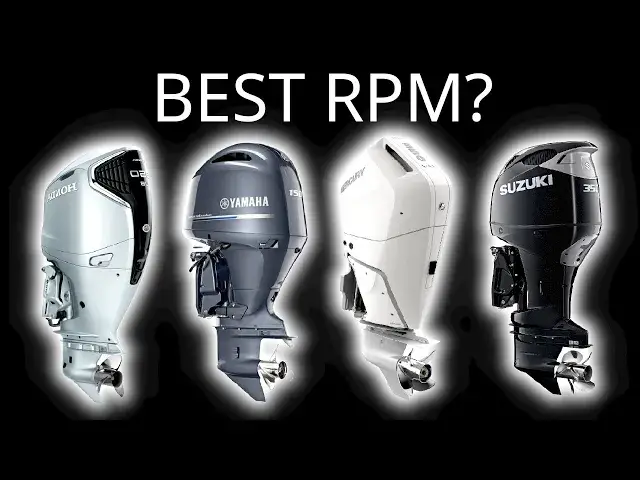
We have lots of engines with high, very high hours. I think key to longevity is running the engine across the entire RPM range
0:09
coupled with great maintenance. That's what I'm saying, man. Like, that is exactly that
0:14
That's it is running the engine and over the entire RPM spectrum, and it runs evenly
0:20
That's how you get even where that's how you get the best out of the engine
0:25
That's why the break in period for most engines have always been varying RPMs
0:31
I've heard a lot of people talk about different things about the break in, whether you should do it or don't do it
0:36
I'm just going to go off of basically what is normally said. A lot of people say the break in
0:40
Oh, you just need to run it for 10 hours under a certain RPM range
0:45
And that's not really true. The basic, basically all brands in their break in period go like this
0:53
They want you to run varying the RPMs. So that means that for the first two hours, you're going to run
1:03
say, 10 minutes at 1000 RPM, and then you're going to run 10 minutes at 1500 RPM
1:10
then 10 minutes at 2000 RPM, and then 10 minutes at 3500 RPM
1:16
And you're going to continue every five, 10 minutes, varying that RPM
1:21
and not going wide open throttle for more than five minutes every hour and then don't do a lot of high idle time
1:31
So basically in the first two hours, first 10 hours, you don't want to run the engine at idle for an hour
1:37
That's what they don't want you to do. They want you to break it in at varied RPMs for 10 hours
1:43
with no more at wide open throttle than five minutes at a time
1:48
So really a break in period isn't staying below a specific RPM
1:53
It is changing the RPM. Run 4500 for 10 minutes, then bring it back to 35
2:00
then bring it up to 55, then bring it down to 15, then take it all the way to wide open throttle and run for five minutes
2:07
and then just continue varying those RPMs for 10 hours. That is the most common break in period
2:13
And so if you think about it, if that's what they want you to do
2:16
for break in period, then that's what you're going to want to do
2:21
over the life of the engine. So running evenly, let's say at 100 percent
2:26
you're running 20 percent of the time and wide open. You're running 20 percent at trolling, 20 percent at idle, 20 percent
2:33
at mid range, like you're varying across the whole spectrum, which is generally when you pull a download, what it looks like
2:40
Most of the recreational people, when you pull a download again, very minimal time spent wide open throttle
2:46
Most recreational people are looking at fuel economy and they're looking at the ability that they have to run the engine
2:54
This is kind of a discussion I've actually we got a couple of comments down here about this, that talking about the RPM and the horsepower range
3:03
So generally, when we're talking about not being able to run wide open throttle
3:07
you're talking about larger engines, you're talking about larger boats going offshore or your recreational guys with engines that are 115 and up
3:15
Once you get down into talking about these little engines like mega adventure overhang for seven
3:21
What about a small outboard, a two point four three point three and a five horsepower small outboards
3:27
Should it run at max RPM because of it being so slow? By and large, most people are running like if you're running on a dinghy
3:35
or something, the engines maxed out all the time. Like they're running wide open throttle all the way because again, it's so slow
3:43
And the death of most of these small engines is you don't see a five
3:48
horsepower that blows the power head. When you see a small engine that with a blown power head, it is because of lack
3:55
of oil, lack of maintenance, water ingestion and things like that. Poor fuel
4:03
That's what kills the small engines. These people on sailboats that are that have a 10 horsepower, 15, whatever
4:09
on their dinghy, and they're going back and forth when they leave their boat
4:13
That thing hits wide open throttle and all the way till they get to the dock
4:17
and then they shut it off and then they go off in a shore, get their groceries, whatever they're doing, hang out, and then they get back on the dinghy
4:23
Wide open throttle back to the boat. Same thing for small lakes and stuff
4:28
You guys are running the engines wide open throttle all the time and you don't hear about blown power heads
4:34
The whole conversation was that someone was telling someone else that because
4:38
you're running the engine at wide open throttle, you're prematurely wearing out the power head
4:43
You don't see that. You don't see a 10, a 9.9 with a blown power head because the engine was run
4:49
at wide open throttle and everybody is running those engines maxed out all the time
4:53
So if you like this clip, you can watch the full podcast over here, or you can watch another clip over here
#Boats & Watercraft
#Vehicle Repair & Maintenance
#Boating