0:00
The way we treat an engine in a boat is just crazy
0:04
You know, people take such good care of their car and they run the car every day
0:09
they take care of it, they keep it in a garage, and the thing lasts for years and years and years
0:14
Meanwhile, their boat, they use it 10 times a year. It sits on the side of the house in the sun, uncovered with rain and wind and debris and all kinds of stuff
0:26
just bashing it, and the fuel gets stuck in there, they never use it
0:31
and then whenever the thing breaks and they got all these problems, then all of it's like, oh man, this brand, this boat, this thing is just junk
0:40
Even though it's the lack of care and the lack of maintenance and the lack of use that turned it into that
0:46
because it is, again, a dissimilar metal, we have run electricity through it
0:50
put it in water, and run it at very high RPM, and it's just abused, just like batteries and other stuff in it
0:57
I mean, you think about a boat, when it goes through the water, it's going over chop
1:01
it's just constantly slamming against the water, and you've got all of these components that are taking that abuse
1:08
So things are going to break, and that's just what it's going to be. It's not like a car running on the road, which doesn't get to see the same amount of abuse
1:17
So in order to say that they're all junk and they're all trash, and to see all the comments of all the different people, I think it all comes down to experience
1:26
because I'll use Evinrude as a scapegoat. There was a lot of people that had really good experiences with that engine
1:34
Granted, once Evinrude sold and BRP bought them, whole different story, different models
1:40
the reliability on some of them was very questionable, and then this last-stitch effort with the Ghost model, I mean, that is a whole other thing
1:49
that is almost like a comedy sketch if you look at it and read the things that they
1:54
I mean, look at the product. I mean, it's an outboard that's under the water
1:58
You can't back in a slip because you're afraid of getting water in it
2:02
They come with a bilge pump on it, and like, I mean, it's just, the whole thing is a problem just waiting to happen
2:09
You know, the G2, the company went bankrupt, so put them out of business
2:13
There's a whole discussion over there on that stuff, but I think for the whole topic of something being trashy, it really comes down to how it's taken care of
2:24
and, you know, is it one of the problematic engines? You know, it's just kind of what it comes down to
2:30
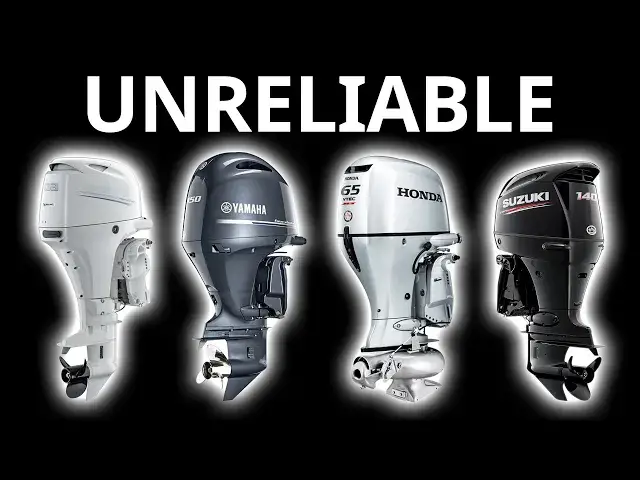
Railroad Fishing Adventures, my Yamaha F-150 horsepower is a 2014. It had 1,700 hours when I bought it nearly three years ago
2:39
It's now at 4,600 hours, and compared to the rest of the hundreds around model here
2:47
all have about 6,000 to 10,000 hours with a few different models over 15,000 hours
2:57
With only minor problems here in Rarotonga, Cook Islands, we can all sell our fish as no commercial boats, so most boats do 50 to 100 hours a week
3:09
but mainly all trolling speeds, or some guys catch fly fish at night
3:14
but that is a lot of speeding and slowing down to catch the flying fish with nets
3:18
Ninety percent of our engines are Yamaha with the odd Honda and Suzuki
3:22
but we don't sell our engines. We use them until they die. See, there you go
3:27
I mean, you're talking about engines that have 15,000 hours on them
3:31
and they're using them every single day, putting 50 to 100 hours on in a week
3:36
so it goes back to the care. If you take care of it, and you run it all the time, it's going to last a long, long time
3:45
So if you like this clip, you can watch the full podcast over here, or you can watch another clip over here