0:00
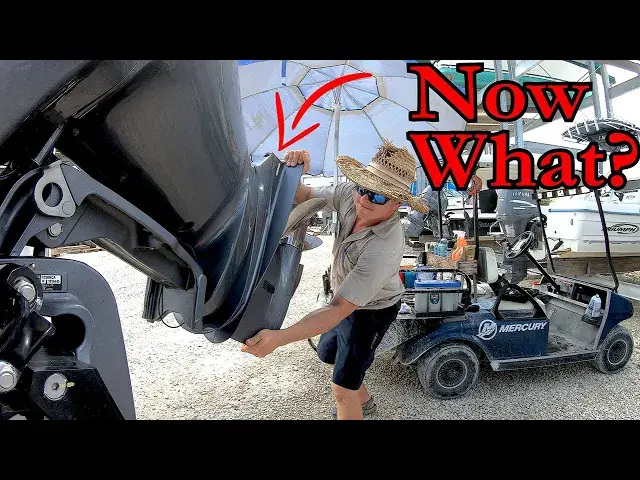
Servicing a lower unit can go from a quick and easy task to a drawn out an ultra-expensive experience
0:08
really quickly, depending on the situation that you could find yourself in with a boat
0:12
We have just recently started the Born Again Boating community and last week over there we were having a discussion about getting a stuck lower unit off of an engine
0:21
which was actually an excellent topic to turn into this video here
0:25
So if you aren't a member in the community yet, after this video, head over to Born Againboating.com
0:30
to join the community and discussions just like this one. Now over there we were talking about a 1980s 75 horsepower Evanrude, and it doesn't take
0:39
a lot of boating experience to know that things reaching 40 years old that have been used in
0:44
salt water like this one was, well, they generally don't like to come apart
0:48
There are many reasons for this, and there are also a couple of different locations that
0:52
can be the problem area when it comes to a stuck lower unit
0:56
We really have five locations where the lower unit will stick itself
0:59
to the engine, being all of the locations that have an actual connection outside of where the
1:05
lower unit surface mates with the engine. These are going to be the locating pins usually here in the front and back, or they could also
1:15
be on the sides of the lower unit, as well as the Pito tube, which is just a connection
1:24
where this little hole in the front of the lower unit picks up water and then is used to send
1:28
into either a sensor or the actual speedometer gauge to let you know how fast the boat is going
1:34
And then we have the shift shaft, the drive shaft, and the water tube that feeds the cooling
1:39
water from the impeller up into the engine to cool it down
1:43
But for the situation of having the lower unit stuck on the engine, the Pito or the water
1:47
tube are almost never going to be the issue. And I only say almost because you never know what you are going to find on a boat
1:54
Then next to that will be the shift shaft, which is also another almost never going to
1:58
prevent the lower unit from coming off the engine type of situation as well, leaving us with
2:03
the two most common reasons why a lower unit will get stuck on the engine, being those
2:08
locating pins and the drive shaft. Now this is going to be based on the concept that all of the
2:13
bolts have been taken out of the lower unit, you can find a lot of times people can forget
2:17
about taking out the bolt that is under the anti-ventilation plate and even sometimes under the anode
2:23
depending on the branded model of engine that you are working with, which will actually bring in
2:27
another talking point of a location that can prevent the lower unit from coming off, being
2:32
if we are talking about the style that doesn't have bolts holding it on but has nuts and
2:37
studs instead. If it has studs, then these studs can also build up salt and other dirt in here
2:43
around the stud which will lock the lower unit onto the drive shaft housing keeping it from coming off even when all the nuts are off Now this takes time to build up the salt and other buildup but this brings in the part of the discussion of time
2:58
and whether or not the lower unit has ever come off before or not. I know in some locations on some freshwater lakes, people will go over a decade and never remove the lower unit
3:08
but that doesn't fly when we are talking about warm salt water or even brackish water
3:13
In these environments, the time becomes a huge factor. Even when, and especially when, the engine is brand new
3:20
A lot of people don't know that when an engine is brand new, the factory actually uses locktight on the bolts and nuts to the lower unit
3:29
which can become a serious issue in a rougher environment. I could think that since the engine was brand new, there shouldn't be an issue
3:40
but if we only put on, say, 300 hours in six years, and go ahead and wait the six years to pull the lower unit and service the impeller and seals
3:48
Well, even though the impeller may hold up over time, the age of six years of
3:52
Loctite and Saltwater can stick that lower unit onto the engine, making a normal service
3:57
with a set price turn into a really expensive and time-consuming endeavor
4:02
That's why you want to make sure and drop the lower unit within the first couple of years
4:06
of an engine's life so that we can grease up all these locations to make sure that the lower
4:11
unit will come off when we need to get it off. Something else to consider is the application of the engine
4:55
On some hall types with transducers and other things, a lot of times on Catamaran style
5:00
of holes, you could be talking about spray coming off the haul and up on the engine
5:06
This spray can make the welding of the lower unit on the engine happen a lot quicker than
5:10
you might expect. And that's just something to consider. But when we go back to talking about
5:15
the studs and the locating pins of the lower unit, if this is the location where the sticking
5:20
is happening, then we can start and try to get the lower unit off by spraying some penetrating
5:25
oil like PB Blaster or something around the lower unit where it meets the drive shaft housing
5:30
This oil will creep in there and begin to break up the seal that is built up in these locations
5:44
You can also use something like Kroll, but this is some expensive stuff
5:48
and mainly because it's probably the very best penetrating oil that you can buy on the market, in my opinion
5:55
I love this stuff, it's fantastic, and works like a dream, when it comes to stuck bolts
5:59
But then we'll start with a dead blow, and you'll want to hit the, the lower unit on the back or the front
6:11
And try not to hit it on the back inside of the anti-ventilation plate
6:14
Because these aren't that hard to chip off with a good whack, so hitting in the middle
6:18
and working your way up in aggression when it comes to trying to free up your lower unit
6:22
it's best to hit it in the middle. And if that doesn't budget, it's time to get out the chisels and pry bars like these
6:30
Then start from the back at the locating pin where we can get one of the chisels in to separate where the locating pin is
6:37
and then also one in the front where the other pin is. This will allow us to work the lower unit down as well as around the studs
6:45
Just be careful when it gets close to up here where the water pump housing and the shift shaft plastic housings are located
6:52
Remember, we're trying to get the lower unit off at this point in time, with damaging as little as possible at this point
6:58
So driving a chisel into the water pump housing isn't going to be part of that goal
7:03
With the dead blow, the oil, and the chisels, if the lower unit is stuck on the locating pins or the studs
7:09
this will generally get the lower unit off because it will begin to work its way down and then come off like normal
7:15
which will be a great thing to have happen, but if it doesn't seem to be budging
7:20
then this means that it is going to be stuck on the drive shaft where the drive shaft is stuck in the crank shaft of the engine
7:26
And sometimes you can also get it to release by hitting the drive shaft here with an air hammer
7:32
but be careful not to mess up the splines or the seal that is in here. And when it comes to this issue, that means we have now just stepped up in a level of seriousness
7:41
as well as the potential cost of this issue. But I would probably throw in there that with getting out all of these bolts that we had talked about earlier
7:52
this includes things like on a Johnson or Evanrude model that has a bolt that is a bolt that is
7:56
holding the shift shaft onto the shifting mechanism and that you have taken that out
8:01
You ultimately want to make sure that you've unhooked all that kind of stuff before hammering
8:05
and chiseling away on your lower unit. But as long as you have all that kind of stuff unhooked
8:10
whatever your situation and engine is, then we are good to go back to the discussion of how
8:15
serious it is when the drive shaft locks itself into the crankshaft. Because now we want to go
8:20
ahead and readdress the situation in order to make an executive decision on what to do next If we are talking about an issue where the engine has stopped peeing and we know for sure that it is the impeller not a blockage in the cooling system on the engine like what we have talked
8:35
about in another video where an engine will stop peeing, then without cooling water and the need
8:40
to change the impeller, the engine isn't going to work without getting the lower unit off
8:44
and it's potentially not any good at this moment in time anyway. Or maybe you have found a ton of water in the lower unit and the seals need to be
8:51
replaced at the drive shaft. Well, you could fill the lower unit up with new gear loop and kick the can down the road a little bit to buy you some time
9:02
before potentially destroying the lower unit or the engine and needing a new one of either the engine or the lower unit
9:09
Whatever the case may be, this is the time to address all of the options and what to do next, because there is no determining of how bad the issue is until you start tearing into it
9:20
We'll continue on with the chiseling and the lubing, but after getting really aggressive with it
9:25
if the lower unit still isn't coming off, then it's time to figure out what kind of model engine you have
9:31
and how the thing is put together. Because if you yank too hard on the unit, you could mess up the crankshaft or other parts of the engine
9:39
And if the unit isn't going to come off, then we are already at the point of needing to buy a lower unit
9:44
to hope to save the engine by cutting the lower unit's drive shaft to allow the gear case to drop off
9:50
making it possible to pull the powerhead and see what's going on
9:55
On some models like say a Verado, there is a situation where the oil pump drive gear spindle
10:00
can weld itself onto the drive shaft, preventing it from coming off
10:05
This can happen for many reasons running with low oil or not taking off the gear case
10:09
for a long period of time, both of these can cause this issue
10:13
But once we pull the powerhead and cut the lower unit drive shaft, we can pull the whole thing
10:18
out and then just replace the spindle and a lower unit to save the engine
10:22
But then there are OR other cases where the drive shaft will weld itself into the crank
10:26
and once we have reached this point, the engine is really not worth saving, unless you can
10:31
do all the work yourself and are open to purchasing all of the components to rebuild the engine
10:36
And now we need a whole new engine, bringing us back to the beginning of how a normal service
10:40
can go from quick and easy to a drawn-out and stupidly expensive endeavor
10:45
Now we'd love to hear from you and what your thoughts are. Have you ever had to deal with an issue like this
10:50
If so, let us know in the comments section below. And don't forget to visit us at born again boating.com
10:56
and joining the community to get in on other topics and discussions just like this one
11:01
And if you aren't already, subscribe to the channel and check out some of our other videos that you might have missed
11:05
We want to thank you all for hanging out with us this week, and we look forward to seeing you next week