0:00
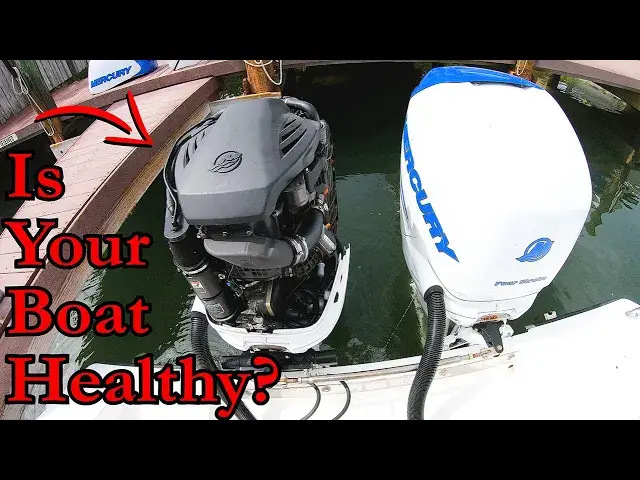
Nothing ruins the day like having an issue with the boat
0:04
Whether that is an actual issue with something that is on the boat
0:11
Or a problem with the engine. It doesn't really matter what the problem is, if something on the boat is broken, it's
0:16
a legitimate issue. Which is why getting into the habit of routinely looking at specific things on the boat
0:23
and performing what we could call a boat health check or inspection is important to lessen
0:28
these down times of your boat. Now we've already covered the topics of performing and how to save money when it comes to the routine
0:46
maintenance on your engine and the legal items that you need to carry and keep on the boat
0:50
up to date like the flares and registration and such. But we'll link to a playlist with those videos in them at the end of this video
0:56
Instead, here we are going to cover the simple things that you can randomly check every so often
1:02
in order to keep an eye on the overall health of your boat. Starting off with one of the most basic things to keep an eye on, but quite often gets overlooked, being the engine's oil level
1:15
Two-strokers are pretty used to this because you have to keep the oil tanks in the boat full
1:19
but many four-stroke operators rarely ever check the oil level of the engine
1:24
Most manuals want you to check the oil level of the engine before ever use, but realistically
1:30
that rarely ever happens. But if you just check it every, say, 20 or 30 hours or so, that is going to tell you
1:37
a lot about what's going on with the engine and you'll probably never find any issues, but
1:41
if there is, then you'll catch it in time. A lot of times you'll just find maybe a little low oil level so you can top the engines
1:48
off for the time being. Also when it comes to checking the oil level, you want to do it by using this process
1:53
here. For cold climates you can run the engine to get the oil warmed up and thinned out
1:59
but then you'll want to trim the engine up some to give a good angle to the engine. Let the
2:03
engine sit for five minutes or so and this lets all the oil in the powerhead drain down
2:08
into the oil pan Then we trim the engine back down to a level position Pull out the dipstick and clean it off
2:21
Then make sure you put the dipstick back in and pull it back out again
2:25
to see where the oil level is in the oil pan. And you're wanting to see the oil level at the upper half of the hatch marks
2:33
or between the two dots or ribs or whatever type of indicator section that you have on your
2:39
dipstick depending on the engine model. This basic check just keeps you on top of the engine
2:45
Then when you run your engine, just keep an eye on the hours and the information that you get on
2:49
the gauges. Most engines will give you an alarm when it comes to the water pressure, the oil
2:54
pressure, and other crucial system information. So I'd say one of the more important things to
2:59
keep your eye on randomly every few times that you use the boat is the voltage gauge. This gives you a good
3:06
idea of what's going on with the charging system and the health of the batteries that are in the boat
3:18
Also, if you have maintenance batteries in the boat, every three to six months or so, just check on the water level of the batteries to make sure that they aren't running low
3:27
This will prolong the life of the batteries with proper maintenance, which can get pretty expensive
3:32
You can usually get three to five years out of a battery with normal use
3:36
If you are running the boat every day though, that many years might be stretching it when it comes to the lifespan of the battery
3:42
You can also check the batteries by using the battery switch as well. What you can do to catch a weak or weakening battery when you have multiple batteries
3:50
is to just turn your battery switch to number one and start the engine
3:55
Listening to how the engine turns over, making sure that it isn't slow or slow sounded
4:02
Then just turn the engine off and turn the switch over to the number two battery and turn the engine on again
4:15
Listening to make sure it sounds the same and starts the engine as same as the other battery
4:20
If one of the batteries is weakening or isn as charged up you be able to hear it and catch it then and there so you can keep your eye on it before the battery completely gives up Now another thing that you want to keep an eye on is going to be just a straight visual inspection
4:35
running the engine without the caling on so you can look for any kind of leaks or potential problems
4:40
This is also going to include keeping an eye on things like the steering system
4:45
looking at the transom area for any kind of leaks of steering fluid, any kind of fluid around the engine where the trim system could be leaking
4:53
Looking over the engine, the lower unit, the propeller, making sure you see when the paint
5:03
starts to come off the lower unit, whether you've got any dings in the prompt, maybe
5:07
some cavitation starting, making sure that if the lower units are losing paint, if it's
5:12
enough to throw off the anode protection of the engine and starting to corrode away parts
5:16
of the lower unit like this here. You'll also want to look down in the bilge for any kind of
5:23
leaks, making sure that it stays clean down in the bilge area and what's going on down
5:28
around the pumps. Looking for any leaks or anything like that. When it comes to the steering
5:33
system though, you can also keep a check on the system by simply moving the steering wheel
5:38
back and forth in a controlled distance. Most of the time you are looking to have about an
5:43
eighth to a quarter turn of the steering wheel before seeing a response in the engine. So if we go
5:48
from left to right and the engine reacts before the wheel moves more than a quarter turn, that
5:53
That lets us know that the steering is pretty much full and doesn't have any air in the system
5:58
When we are talking about a hydraulically controlled steering system, that is
6:02
When we are talking about mechanically controlled steering systems, just look for rusting areas
6:06
around the cable there at the engine or anywhere else on the cable
6:10
On that visual inspection of the builds area though, that includes making sure that the
6:14
float switch and the builds pumps are operating properly. You want to make sure that the builds comes on with the float switch when the battery
6:22
switches are turned off. Also look at the washdown pumps, the live well pumps, and any
6:27
other pump that you have down in the bilge. This will let you catch any kind of leak at any
6:31
of these pumps by seeing any sign of water that might be developing. Rust or just water
6:37
stains will tell you that one of the hoses or pumps are leaking You also want to keep an eye on the navigation and anchor lights Simply turning them on and making sure that they are operating properly every so often will keep those things up and running We got a video on cleaning
6:52
them with tons of other information about the different bulbs you can use that we can link to
6:57
But we didn't cover that you can get LED bulbs and replace the bulbs in your normal nav lights
7:02
with LED bulbs. And most people seem to talk pretty highly about these. I don't have a lot of
7:07
experience with them, but it's something to know about. Then another super important system that we
7:12
haven't covered yet is going to be the never-ending battle with the fuel system. When it comes to a boat
7:17
and fuel, it's a battle that can ruin the day in a heartbeat. So making sure that you're getting
7:22
the best fuel possible, and we'd always recommend using non-ethanol if it's available. You've
7:27
seen what ethanol can do when we tested it a few weeks ago in that video, but something that can
7:32
help you out when it comes to keeping the fuel system clean is to use some good additives
7:37
We're a big fan of either Yamaha's Ringfree or Mercury's Quick Clean
7:41
These are both super great products that will keep the fuel system clean, so whatever you prefer
7:46
This will help tremendously if you just run something like this in the fuel every few fillups or so that you get
7:52
These are most of the basic things you want to keep an eye on when it comes to the overall state of health of your boat
7:58
You don't have to do everything at once, just keeping your eyes on these types of things and every other month
8:03
looking at these different things and systems testing the systems like this
8:07
We'll keep you on top of the health of the boat and assist you in avoiding downtime
8:12
and broken parts and issues with the boat when you actually want to use it
8:16
giving you the time to fix the stuff before you have the whole family loaded up on the boat
8:20
and are sitting at the boat ramp, having to pull the boat back out of the water
8:24
and then back home to deal with an issue if not having to mess with it
8:28
there in the sun at the ramp or at the dock. Now we would love to hear from you
8:32
and what your routine checks are that you perform on your boat to keep it up and running
8:36
Over at the Born Again Boating Community at born again boating.com. You can sign up for free there and also down in the comment section below
8:44
If you are new, don't forget to subscribe to the channel, hit that like button
8:49
Thank you all for hanging out with us this week and we look forward to seeing you next week