0:00
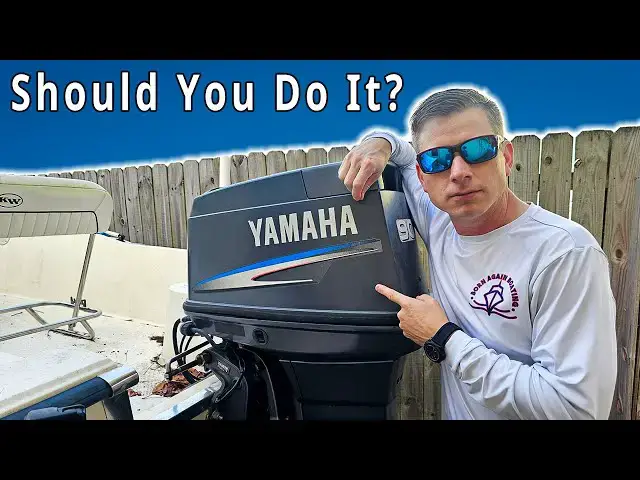
There are some outboards that you can safely delete and bypass the oil system and
0:04
pre-mix the engine, but there are some models that you shouldn't do it at all
0:08
So let's talk about the differences between the two. Really, it kind of comes down to the type of engine that it is, whether it's carbureated or fuel injection
0:15
And then fuel injection can then even drop into either electronic fuel injection or direct fuel
0:21
injection, because those two are different. Whether or not you should do it is going to be determined on a few factors
0:27
Things like what engine model do you have, what horsepower is, the engine, how much fuel does your boat hold? Those are all determining factors on whether or not
0:35
you would want to delete the oil system or whether or not you would not want to delete the oil
0:39
system. If you think about the premixing process, if you've got a smaller horsepower engine
0:43
like a 9.9 or a 25 or something like that, and you're running off of a 6-gallon tank or a 12-gallon
0:52
tank, premixing that fuel is going to be a lot easier and keeping your ratios at the right ratios
0:58
is going to be a lot easier. Whereas if you've got like a 200 or a 250 and you've got a 120 gallon
1:05
fuel tank, that is going to be a little bit different and eventually you're going to get pretty
1:09
heavy on the oil and keeping those ratios is going to be more of a chore. So that's going to
1:14
play a big factor in whether or not you're going to want to or not want to when it comes to
1:18
bypassing the oil system. When it comes to actually deleting the oil system though, the process
1:23
is going to be very similar regardless of what brand that you have, whether that be Suzuki
1:28
Yamaha, Mercury, Tahatsu, Evan Rue Johnson, they all have a little bit different type of system
1:35
but by and large, the things that you need to do are going to be very similar
1:39
Because we can break it down to needing to address four main tasks, regardless of it being carved or having injectors
1:46
and regardless of the brand, whether that be Suzuki, Yamaha, Mercury, Tehatsu
1:51
it doesn't matter. Yamaha, they're all going to be needing to address these same four things
1:56
With the first one of those things being the electric system. Now, most oil injection systems have some way of monitoring the oil to see if the engine has no oil or low oil or whatever is going on
2:10
A lot of them have some way of electronically monitoring the oil system
2:15
So we need to figure out the electric system. And then we also need to figure out how is the oil delivered into the engine
2:22
how is the oil pump ran and whether or not the oil pump and the fuel pump are built in together
2:29
in the same unit. We need to address those four things in order to delete the oil system
2:34
and bypass it to run a premix. Now before we get into the actual deletion and bypassing of the
2:40
oil system and addressing those four main things, let me give you my personal opinion and rule
2:45
of thumb on which engines I would and would not bypass the oil system. Me personally, I would not
2:51
bypass the oil system on any direct injected engine. Being a Mercury Optimax, a Yamaha HPDI
2:59
an Evan Rood Fict I would not bypass the oil system on any direct injected system because most of them are a lot more complex and they have different ratios of how they oil the engine So some of them have very little oil and the ratio is very high at idle and it is very rich at wide open throttle
3:19
And that varies based on the model and the other factors to it
3:23
Most engine manufacturers are also going to tell you the same thing. They're going to say that you cannot bypass the oil system on an HPDI, on an Optimax, on a FICT because of how the system operates
3:34
The biggest reason I say that you shouldn't be eliminating and bypassing the oil system
3:39
on a direct injected engine is because if you run a premixed fuel, it's only going to be
3:44
lubricating the fuel system. The fuel is directly injected into the cylinder, so it does nothing to lubricating your
3:51
bearings, the crank, the piston rods, all the moving internal parts of the engine
3:58
That is going to be the biggest issue, whereas on say a carbureted engine where that fuel and that
4:04
oil is injected straight in through the throttle body and it lubricates everything and uses
4:08
porch to get into the combustion chamber, that is no longer a problem. Even on like an EFI, on an
4:16
X66, there are people that have premixed in OX66. Yes, you can do it. Me personally
4:23
I probably wouldn't. Most of them have been running for like 25 years now, so I probably
4:27
wouldn't mess with that. I think that getting rid of the bypassing the oil system is more of something
4:33
that you would want to do on a carbureted engine, opposed to on a fuel injected engine
4:38
but that's just my personal opinion. And again, you could do whatever you want to do
4:42
But remember, on a direct injected engine, if you bypass that oil system and just premix
4:48
you're going to blow up the engine because none of the internals are going to be lubricated
4:52
because the fuel is directly injected into the cylinder and it goes nowhere around the crank
4:58
or the bearings or any of the other stuff that's inside of the engine. Obviously, you can do
5:03
whatever you want to do and you can try anything that you want to try, though it may end up very
5:08
bad for you, but at the same time, nothing is impossible and you can ultimately do whatever you want
5:13
to do. If you want to bypass the oil system on any engine, you can bypass the oil system and figure out
5:18
how to do it by addressing the four main things that we're going to talk about. Now above that, though
5:23
should you? I wouldn't. Like I said, I wouldn't do it. I don't think you should do it. I think that
5:28
most of those systems are pretty good all in of themselves. Yamaha's system, Mercury system
5:34
they're all pretty good. Now, there are some older models that it is not a good system
5:39
and that you should bypass it, but that is not a system that is on any of the direct-injected engines
5:44
HPDIs, Opti-Maxes, none of those. When it comes to bypassing that system, you are going to be
5:50
changing up your oil and fuel and air ratios. And that is because you're never going to get the
5:56
perfect mix and over time that mix is going to vary. You'll probably end up fouling more plugs
6:01
because you're going to want to tend to be on the rich side opposed to the lean side because if you
6:06
run lean, that's a big problem and you could burn up the engine. Now on the rich side though
6:11
you going to be foul on the plugs You going to be having more oil come out the prop if it not burning properly You going to be building up soot and carbon potentially So there a lot of other things that are going to go into this that you should think about when it comes to deleting and bypassing the system With all that being said
6:28
you're pretty much left with only pre-mixing a carbureted engine, with the exception of some
6:33
early model EFIs when it comes to bypassing the system on a two-stroke EFI, like an OX66 or a Merck
6:40
EFI. That's a little bit different because those already pre-mixed the oil
6:44
in the fuel. They squirt the oil into the VST where it mixes with the fuel that then go to the
6:50
injectors that are on the front on the intake on the throttle body and that goes through the entire
6:56
fuel system through the entire engine as normal. But one issue with that is that if you
7:01
premix you're going to be on the heavy side normally and that heavy side might give you an
7:06
issue with the O2 sensor and if you get an O2 sensor issue and it thinks everything's rich
7:12
it will lean out the system. And then also think about a clogged injector
7:17
If you have a clogged injector, that's also going to lean out your system as well
7:21
even though that's going to give you a problem regardless of you're premixing it
7:26
or the oil system on the engine is premixing it. So this is more of a would you want to do it or not
7:32
Even though I will say that the Yamaha is probably way more reliable than the mercury
7:36
because the mercury uses a, it's like a plastic rod that runs their oil pump
7:41
which that plastic rod can have problems that can fail, whereas Yamaha's was a brass metal
7:48
type of rod that wouldn't fail. So there is that caveat there. And when it comes to carbureated
7:56
engines, it's totally up to you whether or not you want to pre-mix it or not because there's
8:01
not much else going on. It's a carbureted engine. The fuel goes in through the intake and it
8:05
lobes everything. So whether you pre-mix it or the oil system premixes it, that's entirely up to
8:10
you and what you really wants to deal with. Now, on our four different items that we need to talk about
8:17
they are going to be, again, the electric system, how the oil pump is driven, how the oil is delivered
8:22
to the system, and whether or not the oil and the fuel pump are in the same item. As far as the
8:29
electric system goes, that is going to be the easiest to bypass. Really, it depends on which
8:34
engine that you have. Most of them, if you saw the video from yesterday about how Yamaha's
8:40
system works, you can just connect the two wires or ground the one wire out that makes the
8:47
engine think that the fuel tank is full. That is probably the easiest because that way you can
8:52
just eliminate everything on the oil system, get rid of all the weight and all the extra
8:56
hoses and all the stuff. You could also take the sensor out of the tank, flip it upside down
9:03
zip tie it together, and just zip tie it to the engine. That will also make the engine think
9:07
that it has a full oil tank all the time. That's the biggest thing when it comes to the electric
9:13
system is making sure that the computer thinks that everything is full and that the engine has
9:18
oil. So for whatever engine you have, you need to figure out how the electric system works
9:24
and making sure that the computer is seeing what it thinks it should see whether that be a full oil tank or whatever that may be Then when it comes to how the oil is actually delivered this is also
9:34
pretty easy as well because you just need to cap it off. So like on, say, three cylinder
9:40
Yamaha, you have three oil lines that go to the intake or the throttle bodies and that gets injected
9:46
into the engine. You just need to take those hoses off and then get a little cap that is going
9:52
to cover them. You can use a rubber... hose cap or whatever, depending on the size of the nipple where the hose goes on, you just need
10:00
to cap that off so that way you don't have an air leak into the system. That's pretty much it
10:05
And that is going to go for any type of engine. However, that oil is getting delivered when you take
10:10
those hoses off, you need to make sure that you cap off the nipples so that way you do not have
10:15
an air leak in your system. Now, when it comes to how the oil pump is actually driven, that's going
10:19
to vary based on the model, whether that be a rod that connects to the crank on something or a pole
10:24
from the crank case. Either way, whatever that is, you need to eliminate it. If it's got a rod in there
10:30
on the oil pump, you could leave the oil pump and then cap it off, or you could get a plate
10:36
that covers the hole, but you need to make sure that you get rid of that rod that is connected
10:40
to the crank or ran off the crank because if you take, get rid of that oil system and that
10:46
oil pump locks up for whatever reason, that rod is going to be a problem. So make sure that
10:51
you get rid of the rod and whether you leave the oil pump on there or not, that you're
10:54
That's entirely up to you. Just make sure that everything is capped off so there is no leaks into the crankcase
11:00
And finally, whether or not you have an oil pump and a fuel pump that is built into the same
11:04
component, which mainly only pertains to certain Johnson and Evan Rue products, which
11:09
would break down to being the VRO1 or the VRO2, which probably has one of the worst wraps
11:15
of them all, even though the VRO2 probably wasn't really that bad, but people used to say that
11:20
VROs stood for very rarely oiled. Anyway, if you have that system in order to eliminate that, you have two options
11:28
I do believe they make a fuel pump that is just a fuel pump. I'm not sure that it's an OEM, but an aftermarket deal
11:34
But you can put that on there and then just cap off everything, just like we did
11:38
talking about everything else that we've done, as well as the option of putting on an external fuel pump that just is externally mounted somewhere
11:47
that sucks the fuel out of your fuel tank and gives it to the engine
11:51
And that is pretty much what you need to know about premixing and eliminating the oil system on your engine
11:58
Really, it all comes down to whether or not you want to or you don't want to. And I personally believe that it's probably more a matter of financial advantage over a logistical thing
12:07
because a lot of the electrical components that go bad on these engines and these systems
12:12
are really what stops people from going and buying them. If you've got to buy a $300, $400 sensor and then pay a dealer $400 to put it on and get everything
12:21
right, then that $800, a lot of people just say, now I'm just going to premix, and then you'll just
12:27
premix the system, save yourself the $800 and not deal with the system. So I get it. Those are
12:33
kind of the two scenarios. Anyway, that's what you need to know about premixing and eliminating a two-stroke