Up next in 10



Learn More About Your Boats Systems By Joining The Born Again Boating Academy! https://www.bornagainboating.com/
Get Your Born Again Boating Clothing! https://www.bornagainboatingshop.com
Get Savings On Boat Parts With BAB Coupons At Partsvu Here:
https://shareasale.com/r.cfm?b=1991037&u=3159438&m=119617&urllink=&afftrack=
Please Buy Anything From This Link To Amazon & Help Us Keep Bringing You Content!!!! https://www.amazon.com/?&_encoding=UTF8&tag=bornagainboat-20&linkCode=ur2&linkId=97bb1968e1ac47dfc3703d401d95fb5a&camp=1789&creative=9325
Capt Matt's Channel: https://www.youtube.com/@BoatBuyersSecretWeapon
Show More Show Less View Video Transcript
0:00
Because if you got water to your engine and it freezes, it will crack the block of the engine
0:04
Problem is with the 2013 E-Tex, you don't get clean fuel to them or you get a batch of bad gas
0:11
It does take someone with a laptop in order to change out the injectors
0:15
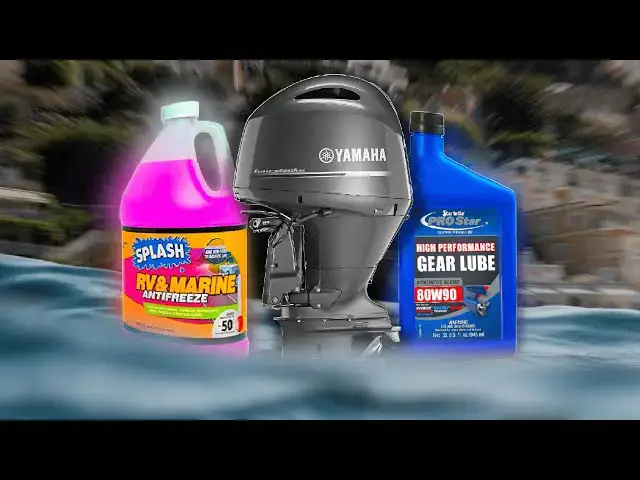
Don't fill it up with that's the biggest thing that you're trying to avoid when talking about winterizing your boat
0:24
It's getting to be that time of year again. And for some of you, it's already been that time of year
0:30
which I'm talking about winterizing your boat, which is extremely important that you do this if you live in an area that gets below 32 degrees Fahrenheit or zero degrees Celsius
0:41
This just basically means that you need to get the water out of your engine because if you got water to your engine and it freezes
0:48
it will crack the block of the engine. There's a lot more to it than just that
0:53
But that's the biggest thing that you're trying to avoid when talking about winterizing your boat
0:59
When it comes to winterizing, it's pretty much the engine side. You want to get all of the water out of the block
1:07
A lot of areas, what you do is you take some antifreeze
1:10
and you are going to run the engine with antifreeze opposed to water
1:16
You drain all of your cooling system, and then you put antifreeze into the engine
1:21
which is basically running antifreeze through the cooling system. So what you're going to do is you want to, first of all
1:27
fresh water flush the engine. When we do that, we're going to be running the engine on the hose
1:34
which is going to fresh water flush everything. And what we're wanting to do at the same time
1:40
is we want to fog the engine. And basically that just means that you're going to squirt fogging oil
1:47
into the intake of the engine, which is going to allow the fogging oil to basically coat everything
1:55
on the intake side of the engine, which the fogging process is going to coat the engine with fogging oil
2:02
You're going to be coating the intake, the intake manifolds. You're going to be coating the combustion chambers
2:09
your pistons, your rings, the valves, everything's going to get coated with oil by running this fogging oil through the engine
2:17
All you really do is turn the engine on. It's freshwater flushing because it's running on the hose
2:24
and you're squirting the oil into the engine. the intake so that way the engine is burning that oil and then coating everything with that
2:31
fog and oil. You're going to just basically run that fog oil through the engine until you see a lot
2:36
of smoke come out of the propeller or out of the exhaust. And that's going to let you know that
2:41
everything has now been coated in the fogging oil. Once you get it fogged, now you can turn the engine off
2:47
and we're going to want to drain the fuel system. Meaning if it's carbureated, you want to crack the drain
2:54
screws on the bottom of the carburet to get any of the fuel that's out of the carburet or the
2:59
VST if you got a VST you're going to drain the VST which is usually got a little rubber
3:05
hose somewhere to it and that is going to allow all the fuel to drain out. You just don't want any
3:10
ethanol fuel sitting in that engine for seven months while the engine just sits there. That way
3:17
you can avoid any issues of water build up sludging stuff like that. Now you can
3:23
put a stabilizer in the fuel. You can get yourself some non-ethanol fuel
3:29
get yourself some stabilizer, and then run that through there, and that'll be another way of, you know
3:36
making sure you don't have fuel that's sludging up the VST, your fuel pump, and all that stuff
3:43
Or another way, what some people will do is they will get avgas
3:47
which is aviation fuel, and just run the engine on avgas to prolong the life of the
3:53
the fuel. You just don't want ethanol fuel sitting in your fuel system, especially your injectors
3:59
and your VST, where your fuel pump is for this, you know, seven, eight month period that the boat's
4:06
going to be stored while it's too cold to use. Now, once you've got the fuel system take care of
4:12
you got the oiling of the system taken care of, and now you've got the engine flush. The next thing
4:17
that you're going to want to do is get rid of any water that's in the engine. For an outboard
4:22
you just basically trim the engine down, and that's going to allow all the water to run out of the engine
4:28
For an inboard, on the other hand, though, you're going to want to take out the freeze plugs
4:35
On the bottom of the engine, there's going to be freeze plugs, usually like four or something like that
4:40
Take all those out, and then you can also put anti-freeze down
4:44
through your cooling system to flush any water that's in the engine out
4:49
and basically replace it with antifreeze. But with the freeze plugs out, it should allow you to get all the water and any freeze, actually, out of the engine
5:00
That way, when it freezes, the water's not going to freeze and crack the block, crack a cooling passage or anything like that
5:08
Then, well, the next thing that is going to need to be done is you want to check the gear loop on the gear case
5:15
Because if you have a leak in that gear case, and let's say that water is mixing with oil
5:21
well if you've got water in your oil in the lower unit yeah the water will mix with the oil
5:28
but over time it'll separate so as the engine is sitting that lower unit if it has water in it
5:35
that water does not it's going to freeze and if it freezes then it's going to expand when it expands
5:41
it'll crack the lower unit it'll you know mess up the gears it'll bend in stuff i mean
5:47
it's bad usually it just cracks the lower unit and that's it's it's it's it's it
5:51
it you're done that lower unit needs to be replaced when you go to use your boat next year and no one
5:56
wants to do that so the best way to do that is check the gear loop you just crack the drain screw on the
6:01
gear lower unit and if it comes out milky or has any water or anything like that replace the gear
6:08
lobe that's the best way to do it this is pretty much the same process for two strokes or four
6:13
strokes uh in four strokes a lot of people what they do is they will just go ahead and do a hundred hour
6:19
service before they stick the boat away. That way, they've got new gear loop in there, so there's
6:23
no water and also new oil in there. And that basically takes care of any issue that you could have
6:30
over the storing period of the engine while it's freezing outside. Now, as far as the boat goes
6:36
same thing. You don't want any water sitting in the boat. You can heat shrink the boat or get a
6:42
cover made that covers the boat. So that way water getting into the boat isn't freezing and causing any
6:48
issues inside the boat. Another thing, you want to take the battery out of the boat and get it
6:53
stored in your garage, preferably, you know, on something, not on concrete, on a concrete floor
6:58
I know there's a lot of people that have done myth busters about this, that, and the other
7:02
about batteries being in cold or on the concrete and all that other stuff. But by and large
7:09
just put it on a shelf somewhere, put it on trickle charger, a little two-amp charger
7:14
So that way the battery will stay charged throughout the season, mainly because, you know
7:18
because the number one time that a battery will go bad is when it's sitting
7:25
So a battery has charge cycles. And a charge cycle is basically 100% charge to 0% charge
7:34
Really, a charge cycle for a deep cycle battery is 100% charge down to like 20% or 10% charge
7:42
and then brought back up. And that's like a charge cycle. On a starting battery, you've got
7:48
100% to like 95% and then it charges back up. That's the biggest difference between a starting battery and a deep cycle battery
7:58
Now, when it comes to storing the battery or letting the battery go all the way down to zero
8:05
that's really bad for the battery. If you go from 100% charge and go down to 0% charge, that's really, really hard on that battery
8:13
So if you take your battery out of the boat and then you let it sit on the shelf for eight months
8:18
and it goes down to zero because, I mean, the battery is going to lose its charge over that period of time
8:24
That's not going to be good for that battery. You really want to put it on a two-amp trickle charger
8:30
just to keep it maintained throughout the winter season or however long your off-boating season is
8:38
Now, in hotter climates, there is also what's called summarizing where basically it's the same thing as winterizing
8:45
minus the need to run any freeze and all that kind of stuff through. your engine You mainly just flush and fog the engine and make sure there no water in the lower unit not for a freezing purpose but because you don want that water sitting on the metal rusting the gears that are inside the lower unit while the boat is sitting
9:04
They call it summarizing because it's not uncommon for in really, really hot climates like
9:10
South Forest or like that to be a vacation spot or a seasonal spot for people that live up north
9:18
and then come down in the warmer season, like, you know, if you live in New York
9:22
and it gets down to zero or below. A lot of people, when they get older
9:26
they don't want to live in that same type of environment. So what they'll do is come January or December sometime
9:34
they'll move to South Florida, live there for four months while it's freezing cold in New York
9:38
and then after four months, April, May, move back to New York as it warms up
9:43
which is a way for a lot of people to extend their boating season as well. So you boat in the north during the summertime
9:50
and then when it gets too cold to boat outside, you can go to a south you know texas florida um anywhere south where it's going to be warmer and you can
9:59
boat all year round so then during the sun during the winter when it's too cold to boat up north
10:03
you can be in florida boating and stay boating all year round and that's pretty much it for the winterizing
10:09
you really don't need any kind of special tools or anything like that just normal wrenches
10:14
sockets um oil filter water separators oh that's another thing water separator i didn't see but uh go ahead and
10:22
your water separator. If it's got water in it, replace it and get any kind of water out of there
10:29
Tool-wise, that's it. The drain plugs, you know, regular sockets and wrenches
10:33
You're going to be able to get your freeze plugs out. Get a can of fog and oil and gear lube
10:38
That's pretty much it. No special tools needed. So don't forget to winterize your boat before the winter because you don't want to have to
10:45
deal with the problems that a lot of other people have had to do. It's an experience that I would say there's a lot of people that have not experienced
10:52
it, but they do not want to experience that. So you don't want to have to deal with a cracked block or a blown up lowered unit or
10:59
anything like that, which is going to be the outcome of not winterizing your boat and
11:04
your engine. And also, you don't want to have to pay for a brand new battery in the next year, too
11:08
because that's super expensive that, you know, it'd be better just to fill up your tank
11:14
Oh, the fuel in the boat. I forgot to mention winterizing the taking care of your fuel
11:19
We talked about avgas and the engine and all that, but putting stabilizer in the fuel and also, you know, it's a 50-50 on people that want the tank to be completely full and people that want it to be completely empty
11:35
So, you know, realistically, the big reason why everybody wants a full tank is because it's less air and less chance of building condensation
11:48
So the more area or surface or volume, the more volume would be the right word, the more volume of air that you have in the fuel tank is basically more surface area on the sides of the tank where condensation can build up
12:05
And if you have ethanol fuel in your tank, that ethanol with the temperature changes and the condensation, it basically absorbs moisture
12:14
and it will absorb the moisture or condensation on the sides of the tank
12:19
which will, you know, basically get water in your fuel. So a lot of people will fill their tank all the way up because that's less surface area
12:28
But if you do, don't fill it up with ethanol fuel. If you're going to store that boat for eight months or a year
12:35
try and get some non-ethanol fuel. Also adding some stabilizer to your fuel to help keep it docking levels up
12:44
over that period where the boat is going to be sitting. So now that you've treated your fuel and winterized everything else
12:51
now I'm pretty sure that's everything in the winterization. Any bad conditions that you can see are going to be, again
12:57
those crack blocks and lower units. It's all from the water freezing that makes it a big problem
13:05
And I think I've got a couple of questions here that we want to go over from D. Pereira
13:10
Hey, good afternoon, guys. Just wanted to say you guys are awesome. I am purchasing a used Donzi that's coming with two
13:17
2013, 250 horsepower Evanrids. I'm concerned because I've heard negative things about the engines
13:24
and that the company went out of business. Although parts are still available
13:28
what is your opinion about the engines and anything specifically based, specifically besides compression and service records I should be looking for
13:38
They have 600 hours and seem to be well maintained from what he told me the starters were both changed recently
13:48
I mean, that's kind of something this interesting, is that why did he have to replace two starters on two separate engines
13:55
unless one starter went bad and he's like, okay, I might as well just replace both of them
14:00
But other than that, you know, a 2013 Donzie, I mean, that's a nice boat, the Evan Rudes, the 250s
14:07
that is probably the biggest split brand that there's ever been. It's a 50-50
14:15
You've got 50% of anybody that's ever owned in Everwood has been totally happy with it
14:20
and not had any complaints and no problems, and they've loved it until the day that they got rid of it
14:26
And then the other 50% of owners actually absolutely hate the brand
14:30
They hate the engines. They hate everything about them. So you kind of split on it
14:36
I'm more of a middle ground kind of person. I've had, I've had Everard's Ocean Pro and an Ocean Runner that I've had no problems with
14:45
I ran it three times a week and it never gave me any problems. The only downfall to that engine was it drank a lot of fuel and a lot of oil
14:53
But outside of that, you know, you're not talking about fix on here
14:59
So you don't have to worry about that. Then anything else, I mean, 600 hours is
15:06
bad. If he says that he hasn't had any problems with the engines, then you're good to go
15:12
But at the same time, there's less and less people that are available to work on the
15:17
Evan Roads. So if they're running and you really like the boat, then, you know, maybe repowering
15:25
down the road or possibly just running those Evan Roads as long as you can. But one consideration is
15:32
Is there anybody around there that can work on them because they are, like you said, the company
15:38
they don't make those engines anymore, and they're not in business. So at least not the outboard business like they were
15:44
And the dealerships are getting less and less. So service is the only problem
15:52
The problem is with the 2013, I think you're talking about ETEX at this point in time
15:56
So an issue with those are the fuel injectors. If you don't get clean fuel to them or you get a batch of batch
16:02
gas or something like that, then the injectors, if you have a problem with them, they are
16:07
serialized and it does take someone with a laptop that can hook up to that engine in order to
16:14
change out the injectors. That's kind of one of the problems. Also make sure that you keep the
16:19
cooling system cleaned out and that it's always peeing because there is water that goes through
16:25
the computer on the engine. They call it an EMM. If you don't keep that thing cooled, then it will
16:32
overheat and when it overheat you have to buy a new computer. So those are only the couple things
16:37
that I can think about that are going to be something that you want to really consider outside of that
16:43
I mean, if you really like the boat and everything's running great and he said he hasn't had any problems with the engines, then you should be all right. The engine on a boat is what's
16:51
concerning to pretty much everybody that's buying a boat. And again, Evan Rood's one of those
16:56
brands that have that 50-50 split where people either love them or they hate them
17:02
They've either had a disastrous relationship or they've had a great relationship
17:08
But, yeah, it's not like a Yamaha or a Mercury. Like a Mercury people love them
17:15
And then the other people don't. Yamaha people, they love the engines
17:21
And then, you know, it's only the people that have had a bad experience or they are a Mercury person
17:26
Mercury people don't like Yamaz and Yamaha people don't like Mercury. I mean, that's kind of like a brand loyalty thing
17:32
it's like a Ford and a Chevy. Honda people, Honda engines, they don't have as many problems
17:38
They aren't as fuel efficient. They're heavy, but it's still a brand that people like them
17:45
Whereas the Avernrood, it's 50-50 people. Hate them, people love them. Kara Noah, hello
17:50
Love the content I been watching for a while now and I have learned a lot I was hoping you had a minute to maybe help me answer a question that I can seem to find I have a 2002 Yamaha F225 and the pin that holds the rod to the engine must have vibrated out a little
18:06
When I trim down, it punctured the top of the fluid reservoir. So I guess we're talking about the RAM that goes to the trim unit
18:13
From what I have read, it doesn't have any pressure in it. Would I be able to J.B
18:19
weld the holes shut trying to avoid the 200 plus cost of replacing it i'll try and attach a video of what
18:28
i'm talking about i'd really appreciate you hope you could give thanks guys give the girl keep up the good
18:32
work um so he's talking about the reservoir are we talking about it punctured the top of the fluid
18:40
reservoir so i mean yeah you could jb well that there isn't any pressure in that reservoir so
18:49
it's hard to see what i'm trying to picture what exactly you have a hole in um i mean
18:56
yeah if you're trying to save 200 bucks and you want to try the jb weld route then by all
19:02
means go for it take a um take something and put it in there though like don't just take jb
19:11
weld mix it up and then pour it on that hole because it'll leak down inside there so put like
19:16
scratch up around the hole and then put something on there. Preferably something of the same metallic buildup
19:27
Don't put like, I mean, a lot of people put a penny or a dime or something on there, but that's not always the best thing because it's a dissimilar metal
19:33
But as long as you put something of similar metal on there, then, yeah, put cover the holes
19:40
and the J.B. Wells goes down into the reservoir and cover that thing with J.B. Weld
19:46
how long it lasts. I mean, if you're trying to save money, there's always a way to save money and
19:53
things will work. You know, you can make it work. I mean, J.B. Weld, maybe that'll last you a year. Maybe
19:57
it'll last you 10 years. So if you got a 2002, you got a 21 year old 3.3 liter F225. So
20:04
um, yeah, try the J.B. Weld. Judging based on what you said, it's, it's, yeah, just the
20:11
reservoir. There's no pressure in there. And yeah, you want to keep water from out of the out of there. So
20:16
try the jb weld see what happens and chip hill talking about top five main things to look at for when
20:23
buying a boat you wiring usually needs redoing too yeah that's um that's true i mean most used boats
20:33
especially older boats depending on who's had it how long they had it and who's been in there
20:37
messing with it yeah whenever you buy any use boat look at the wiring because that could
20:41
potentially be a big expense and you know out of of the other five things that we talked about in that video
20:49
Wiring would definitely be up there. So per per perjur, it also depends on your means
20:54
I just restored an 85, 21 foot trophy, don't laugh. It was a free boat and trailer with clean titles
21:01
And it was in great shape. Now it has an outboard and bracket and catches fish
21:06
I don't care about the value. I just want to go fishing. So to me
21:10
it's priceless. P.S. I'm poor. Yeah, I mean, that's, you ain't kidding. So
21:15
I mean, yeah, I agree with you 100%. A lot of people will say, oh, why'd you redo this or redo that
21:25
I mean, maybe just because you got a boat. Like, it doesn't have to be the prettiest thing in the world
21:32
and it doesn't have to be, you know, the most expensive thing in the world
21:36
If you got a bayliner that was given to you with a title and it only took you a little bit to get it going
21:41
then at least you're on the water. I think that's true of a lot of things
21:46
I mean, I put way too much time and money into that little 13-foot whaler
21:50
the bully-netter, but I wanted a bully-nutter, and you can't buy those boats
21:54
So to me, it was worth it. And, yeah, I agree with you 100%
21:59
He also made another comment about, in Cali, you don't have a tag
22:05
If you don't have a tag on the trailer and you're having trouble getting registered
22:10
you can make an appointment with Highway Patrol slash state troop and they will inspect it and issue a tag
22:16
Last time I did it cost 50 bucks and took about 20 minutes total
22:21
Not sure if that's an option where you are at, but it should be considering its DOT stuff
22:27
Yeah, even though it is Department of Transportation stuff in Florida, I don't think it works like that
22:33
But if it did, I mean, that's worth a shot. That's amazing that you can get a tag for something straight from the highway patrol
22:42
or something, I guess, in California. California. I mean, it's a great idea, but I don't think you can in Florida. We'll tell how do you look at stringers if the floor is intact on the boat? So if you're inspecting stringers or inspecting a boat in general, you want to check out the transom, the engine, all other stuff. You do want to look at the stringers as well. And for the most part, you're going to want to go in the back and the build by the transom. That's usually where they start rotting out because they're back there by the trance. So
23:13
looking in the back by the transom and knocking on them back there
23:17
usually you'll have some access back there. And then the next spot is going to be in compartments or in the console
23:24
So a lot of times different type of boats like dual console
23:27
stuff like that, you'll have compartments in the middle. And sometimes you'll have access to those stringers through those compartments
23:34
Or if you look down in a center console, a lot of times you have a way to get down there in the center console to check them
23:42
but there's also a lot of boats that are just so packed out that the only place that you can see them are in the back
23:49
Then again, not every manufacturer is making wood stringers anymore. A lot of the stringers and a lot of the boats are all solid fiberglass stringers
23:59
So they don't even, they don't rot out. They're not as much of an issue as they were when you're talking about boats built in the 70s, the 80s, the 90s
24:09
I mean, those boats, when we're talking about boats that had wooden stringers, that's a problem that you do need to inspect
24:17
Whereas nowadays, any boat made in the past 20 years, by and large, they don't have wood stringers in them
24:25
They're either glass or they are made out of like Kusa or some other material, some kind of a foam coring
24:35
so they don't rot and a lot of them are running their rigging tubes through the stringers too
24:39
so they're not as big of a thing to look at as boats that were built 30 40 50 years ago
24:46
that's definitely something to look at and that's basically the only way to check them is
24:51
wherever you can get access to them so usually in the back of the boat in the build somewhere
24:56
like that you'll be able to get to them but other than that you can't you're right you can't
25:02
you can't get to them. Mark Webner, what if you find a hall with Cusa board in the Transom
25:09
Is that I safer bet, or have you ever seen Cusa go bad? Great podcast. Thanks
25:15
Yeah. Thank you, Mark. The Cusa. So Cusa, yeah, they don't, it doesn't really go bad
25:22
Depending on how it got put together is mainly the problem that you could see there
25:27
Where if you're talking about something they got put together and it wasn't put together properly
25:31
like they didn't put mat in between the two pieces of cusser or something like that it'll delaminate
25:36
but outside of that cusa doesn't go bad it's a it's a fiber composite board and it doesn't go bad
25:43
the only thing that you can look at is if there's some fiberglass issues with the fiberglass when it was all
25:49
put together you could have stuff right there that's going to be a problem but as far as the cusa being a
25:54
problem i don't think i've ever seen cusa going bad so yeah if you've got a boat that's got a cusa transom and not a
26:00
wood transom, yeah, I would say it has more value than the wood does. Depending on who built it
26:08
I mean, using wood isn't a bad thing. Last time I did a wood transom was, yeah, eight years ago
26:15
So, I mean, and that boat's still fine. It all depends on who's putting holes in the boat after it's made out of wood
26:21
That's your bigger question. Harry now, hi, you have such a good channel. Thank you for the boat's
26:26
DIY people just like me. Question, can you tell? what is the name of the app in your phone, please, regards from, looks like, Espania
26:37
That was talking about a Yamaha app. I was checking the hours on an engine on my phone
26:42
That is actually Yamaha YDIS Smart but that is a dealer product Like it a little dongle that hooks to the engine and you can pull up the app but it registered to the dealer so it a dealer specific tool and it not like you can just go to the
26:58
app store and download that app and now talk to your engine um in the short you don't have access
27:06
to it really unless you've got a dealer that you can use their dealer number and they'll let you
27:11
buy it and use it you don't you can't just buy wadayas smart um
27:17
I wish you could. That made things a lot easier, but most brands are pretty specific on who they let
27:22
and what they let people do with their engines. So, yeah, not really something that the general public can access
27:30
even though it's a sweet tool. I mean, I love using it, but, yeah, unfortunately, you can't really get that
27:37
Mr. PubG, yo, your videos are so well made. I'm looking to become a boat mechanic after high school
27:42
Well, thank you. I think being a mechanic is a great field, is a skill and the skill set or the trade industry is definitely suffering all over
27:53
So I think there's a lot of opportunity, a lot of money that could be made. If you stick with it, if you're good, if you really apply yourself and put in the work
28:00
then there's a great living that you could make out of working on boats
28:04
So after high school, yeah, for sure, you should definitely get into working on boats
28:10
How to become a mechanic. That's a whole other thing. honestly, I think the best route that you should go would be to find a dealer that's like a larger dealer and just go get a job with a dealer and get your hands on helping people studying the mechanics that are there, trying to bring value to the more experienced mechanics and learn all that you can learn because in the skill or the trade industry, I mean, experience is king
28:38
So as long as you learn the industry, you're going to, you're going to do great
28:45
Dex, the wing zero, you need the chicken feed shaker can. Yeah, for putting on non-skid into gel coat, a little chicken feed shaker can
28:56
Definitely, definitely a good suggestion. I need to get one of those for doing non-skid
29:02
Oh, no. So this guy, so this guy talking about a video about the only video you must
29:08
see on how to tie up a boat says he was 15 miles into the Everglades, 10,000 island region
29:15
on a canoe not properly tied up next morning upside down canoe. So this video is important
29:23
Yes, that video is super important. And if you have not seen that video, you should go watch it
29:27
on how to tie your boat up properly. The only video you must see on how to tie up your boat
29:32
But now tides, I mean, 15 miles in the Everglades and he in his canoe flips, I guess, and he had probably like a 20 horse or something on it
29:42
That's not where you want to be with a boat upside down
29:48
Tides changing going up and down. If you tie your boat up improperly, you can get caught under the dock
29:55
You can get, you can have the boat, like if the tide goes out, the boat's tied up too tight
29:58
it can lean over and then you know flip over and fill up full of water so definitely knowing about the
30:06
tides and how to tie up your boat biggest key and the biggest takeaway in that video well no there's
30:13
actually like a bunch of things in that video but one key thing about tying up your boat is tight lines
30:19
but long lines you want long tight lines that's the best way to type your boat that way the long line is
30:27
going to stretch and go up and down with the tide, whereas a short line, you've only got this
30:31
much, you know, line. So as it goes down, you're not moving much. So you've only got like six
30:36
inches of tide and then boom, your, your rope's not going to go. Whereas if you got this much line
30:42
and say this is 15 feet, 15 feet's going to go a lot and that line's going to stretch and you're
30:49
going to be able to, the boat's going to be able to go up and down with the tide and still stay
30:54
tight on the dock. Myron Chamberlain, 7334, my marine radio keeps saying low battery
31:00
but the batteries are new. Well, it sounds like you've got a connection problem
31:04
If you have a radio or GPS or something like that that keeps saying
31:08
low battery, even though you've got brand new batteries, chances are you've got a connection problem
31:13
somewhere between the battery and the radio, which there's a lot of components in between there
31:18
Most of the time, general electrical setup on a boat is going to be from the battery positive
31:23
going up to a battery switch and then through the battery switch
31:27
over to a bus bar of some sort that then is going
31:31
to feed all of your breakers or your fuse panel and then from the
31:35
fuse panel it's going to go up to your switch and then from your switch over
31:39
to whatever component that is if your radio's straight up wired in straight hot
31:45
so whenever you turn the battery switch on all your stuff comes on then that is most likely not going to be
31:51
the case. It's probably going to go from the battery switch to your breaker panel or your fuse panel
31:56
and then out the fuse panel straight to your radio. And then from your ground on the battery
32:02
it's going to go up to your ground bar and then your radio should be tied straight into that ground bar
32:08
So most likely you've either got a bad cramp, a bad connection or a loose connection between the radio
32:14
whether that be on the fuse panel, on the breaker panel, on the battery switch
32:19
It could be the ground going to the radio, or there's something going on with your radio
32:26
But most likely it's just a loose connection. So I would follow the wires from the back of the radio
32:31
and follow them to wherever they're getting power and ground from and check those connections
32:35
If those are all good, then move your way back through the system to figure out where that problem is
32:41
Zachary Peters, where does the water go when it's in the cowling
32:45
I've always wondered how it got out, talking about a video about cleaning your engine
32:49
and there's just drains in the cowling. That's it. In the belly pan of the engine, there are usually two to four drains
32:58
They're in the back and the front. There'll be a little rubber like duck bill valves or whatever you call them
33:06
Those duck bill valves are going to let water out. That's pretty much it
33:11
There's just drains in the belly pan. So all the water goes in, goes down, and then it'll go out
33:16
So not anything too complicated right there. this guy blah blah blur what is pooky and kusa so pooky we're talking about that's in mainly one of the fiberglass videos probably redoing the bolleyeter if you haven't seen that series go check that out but the pooky is pretty much resin and collidial silica which is just like a structural filler so whenever you're doing fiberglass gaps and stuff like that you can fill with a thickened epoxy or polyester resin
33:52
mix. That's going to be what we call pooky. And I only learned that from one of the fiberglass guys
33:58
there in one of the shops that I've worked at. He just always called a pokey. So I ended up starting
34:03
to call it pooky too. It's just silica and resin. And then cusa, what cusa is, is we just
34:10
talked about it a minute ago with this guy talking about a boat that has Cusa replaced wood. And
34:16
Kusa is a fiber composite board. It's basically just a wood replacement and it doesn't rot
34:23
It's really, really good material. And a lot of boats are being made out of that and a lot of people are using that to
34:31
replace transom stringers or anything in the boat, bulkheads. It's a, basically it's a wood replacement where it's not a foam core
34:41
So you've got like foam coring and you've got like a composite, which is
34:46
mainly Cusa is a brand. So people call it Cusa board, even though there are different fiber composite boards
34:53
Cusa is just the most popular brand. And so everybody calls it Cusa board, which I mean, I've only, I've used mainly Cusa
35:01
opposed to other composite boards. So I would definitely recommend Cusa. That's just because I've used it the most
35:11
And yeah, it's great stuff. So that's pretty much going to be it
35:15
I think that's enough time for now for this week. If you want to have one of your questions on here
35:21
go ahead and email us at AskBAB at Bornagainboating.com or comment on any of our videos
35:26
and I'm trying to compile these into questions and answers, maybe where I can just unload all these comments
35:34
and we can talk about these subjects. Also, we've got the boaters program at born again boating.com
35:40
where there are hundreds of courses and other features with an app
35:44
that will teach you how, to work on your own boat and learn tons about boating
#Boats & Watercraft
#Vehicle Repair & Maintenance
#Boating
#People & Society