Up next in 10



Learn More About Your Boats Systems By Joining The Born Again Boating Academy! https://www.bornagainboating.com/
Get Your Born Again Boating Clothing! https://www.bornagainboatingshop.com
Get Savings On Boat Parts With BAB Coupons At Partsvu Here:
https://shareasale.com/r.cfm?b=1991037&u=3159438&m=119617&urllink=&afftrack=
Please Buy Anything From This Link To Amazon & Help Us Keep Bringing You Content!!!! https://www.amazon.com/?&_encoding=UTF8&tag=bornagainboat-20&linkCode=ur2&linkId=97bb1968e1ac47dfc3703d401d95fb5a&camp=1789&creative=9325
-------------------------------------------------------------------------------------------------------------------------------------------------------------
PARTS USED:
-------------------------------------------------------------------------------------------------------------------------------------------------------------
DONATE
Paypal: https://www.paypal.me/bornagainboating
-------------------------------------------------------------------------------------------------------------------------------------------------------------
JOIN THE BORN AGAIN BOATING COMMUNITIES!
Instagram: https://www.instagram.com/born_again_boating/?hl=en
Show More Show Less View Video Transcript
0:00
When it comes to wondering, have you ever wondered why some people can run ethanol fuel in their boat and not have any problems
0:07
Or why other people have horror stories when it comes to ethanol fuel? Or even why you can run ethanol in your car with no issues at all
0:15
Or how about why do people say that ethanol creates water in the fuel or absorbs water out of the air from just sitting
0:21
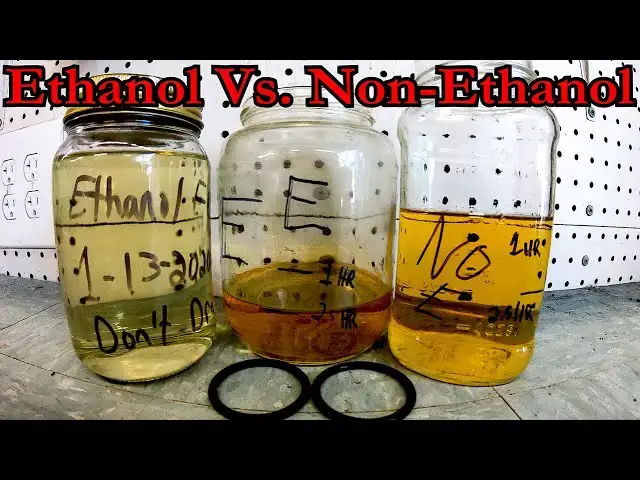
Well, this is a jar of what started off as a full jar of ethanol blended fuel and now has water in the bottom of the jar
0:28
And this jar over here started off as a full jar of non-ethanol, and it is no longer full like the other one, but this one doesn't have any water in it at all
0:39
Now let's dive into these different wonders so that you can see and understand exactly what it is that everyone is talking about
0:46
why these things are, and what you can do to save yourself from dealing with unwanted and expensive issues with your own boat
0:53
We need to first understand a little bit about ethanol blended fuel, but don't worry, we won't
1:00
be going into all the things that pertain to the creation of it, like how it's made and where
1:05
it comes from. Instead, just know that it is basically an alcohol made from usually corn or sugar, then
1:13
blended with the gasoline for cleaner emissions. Knowing that it is basically alcohol, we need to then know that alcohol can absorb or mix
1:22
with water. This is a nice little tool here which is an ethanol tester
1:31
Because the alcohol will mix with water, we can use something like this tool where we will fill the bottle up to this line here
1:38
Then we can fill the rest of the tube up with whatever fuel we want to test for ethanol
1:50
After we fill the tube up to this line here, we can fill the tube up to this line here, we can, We can shake the tube and the water will basically mix or absorb with the ethanol
2:07
Separating it from the fuel that we started off with. Then when we let the jar sit for a minute or two, the water will sink to the bottom and the fuel will float on the top of it
2:17
Allowing us to see what percentage of this fuel was ethanol and leaving us with how much actual gasoline
2:23
lane we have when it comes to this fuel as a whole. And vice versa, when we use this tool to test
2:28
a non-ethanol blended fuel that is commonly known as rec 90, since there is no ethanol in the gas
2:34
we'll be left with the same ratio of water and fuel that we started off with when we started
2:39
the test, which is about all of the basic main points and features that we need to know about
2:44
ethanol so that we can move over to talking about what it does when we use it in our boats
2:49
Probably one of the more common questions that people have when it comes to fuel is why is there such a difference between my car and my boat
2:57
And why don we have any trouble running ethanol on our cars but people say not to use it in the boat There are two main differences between a boat fuel tank and system than the fuel tank and system that we have in a car The first one is going to be the size of the tank
3:12
A car usually only has a 12 to, say, a 30-gallon fuel tank in it
3:16
Whereas in a boat, we're talking about fuel tanks that can range from a 5-gallon portable tank
3:22
to 120-gallon permanently mounted tank. And then depending on the boat, you can see single fuel tanks up to 450 gallons
3:30
or more, which is a ridiculously larger tank than what's in the car. The size of the tank is
3:35
going to play a huge part in what we are about to talk about when it comes to what ethanol
3:39
actually does when it's put in a boat. But the other difference is going to be that a car's
3:44
fuel system is not vented to the outside atmosphere, where probably 90% of recreational
3:50
boats fuel tanks actually are vented to the outside atmosphere. A lot of this has to do again
3:55
with the size of the tanks and how fuel will expand and contract, or basically
4:00
take up more space in the fuel tank when it heats up compared to the volume or amount of space
4:05
that it takes up in the fuel tank when it is cooler. So having the fuel tank vented allows the fuel
4:10
to expand and contract inside of the tank and push air out of the tank as well as allow air
4:17
to go into the tank when it cools down without sucking the tank in or blowing the tank up
4:22
But introducing air into this equation place a huge part in why ethanol is seen as such a horrible
4:28
thing to a boat and not to a car. So here we have a jar that is full of ethanol fuel that is almost a year and a half old
4:39
And as you can see, you can't even tell it's that old. Just looking at it, you would think it came right out of the pump
4:44
And that is because it is in a sealed jar where it doesn't have any airflow getting to the fuel
4:50
which is why it has stayed preserved over time, and so now we are going to demonstrate what
4:54
airflow does to the fuel. Now obviously this is going to be a little more extreme compared to your boat
5:00
But knowing that the boat's fuel tank is vented, whenever we are going across the water
5:05
that is moving the fuel around inside of the fuel tank and at the same time allowing air
5:10
to flow in and out of the tank through the vent hose
5:17
So we are going to take an open jar and fill it up with ethanol blended fuel that we just
5:21
got from the fuel station and we are also going to take a jar and fill it up with non-ethinol
5:26
or ethanol free fuel that we just pulled from the fuel pump here at the marina where we have
5:31
wreck 90 fuel. Then what we'll do to simulate the boat going through the water and moving air through the
5:45
tank and getting to the fuel is we'll put a fan here in front of the two jars and turn
5:50
that on so that air can flow around the jar and over the fuel
5:53
Now what is going to happen next and during this process is also going to depend on the location where you are
6:02
Because the humidity level of the air is also going to play its own part in this experiment Because where we are in South Florida we right at sea level and only a couple hundred yards from the open ocean
6:15
So we have a very high level of humidity. But the humidity level is always going to be elevated in the air when you are on a boat in the middle of a body of water, even if that's on a lake in the middle of North Dakota
6:28
Now we'll start to see the fuel turn into a cloudy looking color, and then what we are actually looking at is condensating
6:35
developing here on the sides of the jar because of the temperature changing with the fuel
6:39
the air, the jar, and this entire situation that we have going on here
6:43
It's also so much more evident when it comes to the ethanol blended fuel compared to the
6:48
non-ethanol fuel. I don't know why that is, obviously it has to do with the alcohol, but all I know is
6:54
that the ethanol fuel creates way more condensation on the jar. And then those water droplets are being collected or absorbed by the alcohol that is in the fuel
7:03
that into the fuel and then once it's been pulled into the fuel, it won't mix with the actual
7:08
gas but will sink to the bottom of the jar. Something else that we are looking at here is that the actual fuel is evaporating
7:20
into the air, leaving the alcohol and the water behind. So we've got a couple of things happening
7:26
One, we are losing fuel into the air. And two, we are gaining or being left with the alcohol and the water which is then being
7:33
fed to the engine. So after leaving this for an hour, both jars have lost about 50% of the fuel from when we started
7:44
But if we look at the ethanol blended jar, we've gained a few ounces of water in the bottom
7:49
of the jar, where the non-ethanol jar hasn't gained any water at all
7:53
So the ethanol doesn't really just pull water out of the air, what it is really doing is
7:58
just absorbing the condensation that builds on the sides of the tank during temperature changes
8:03
which is something to think about during those really dewy mornings that you sometimes wake up to
8:09
Now something else that we tried to show is the effect that the alcohol also has on the rubber
8:14
components of the engine's fuel system, like all the o-rings and gaskets that go inside of the VSTs
8:19
and FSMs. After letting these two O-rings that started off as the same size sit in these jars overnight
8:26
and then pulling them out and letting them
8:36
sit for a few minutes in the air and dry out you'll notice that the o-ring from the non-ethanol fuel is about 46.6 millimeters and
8:56
we can't pick it up with the micrometer. But the other O-ring from the other jar where the ethanol was has now expanded a little
9:03
bit and when we put the mic over it we can actually pick the O ring up because it has expanded
9:08
from the fuel. But this is actually pretty hard to demonstrate And this was just one night in the fuel When it comes to the rubber and expansion though over time the non fuel is also going to do the same thing to the o and gaskets that are in the fuel system but ethanol can just speed up this issue
9:25
So it's not as big of a difference or a point, just something else that was worth noting
9:29
when it comes to what ethanol will do to the fuel system when we run it in a boat. Which brings
9:34
us to two last things to discuss. The first one being how is it that some people can run
9:39
ethanol and not have any problems, and even in some places, there is actually only ethanol-blended
9:44
fuel available at the pump anyway. Then the second thing is going to be what to do when it comes
9:50
to getting rid of the water that is in the fuel tank. For the first one, again, it's about the
9:55
size of the tank. Smaller tanks don't have as big of a problem because you are burning through
10:00
the fuel and it doesn't sit around to build the moisture. So if you are going to run the ethanol
10:05
fuel, you are going to want to burn as much of it up as soon as you can, which is different
10:09
different than what most people are used to. Because usually we've been taught to fill the tank up and keep it full
10:15
With ethanol, the fuel is going to evaporate and make room and the alcohol is going to absorb
10:20
the water. So I wouldn't leave a lot of it in the tank at all. I would actually say to burn it as soon as possible and try to cycle fillups, meaning every
10:29
other tank or so run non-ethanol to keep everything as clean as possible
10:34
Then when it comes to actually getting water into the fuel, yes, there are plenty of treatments
10:38
out there, but you never really get rid of the water. What the treatment does is it allows the water
10:43
alcohol, and fuel to mix up, allowing you to burn it through the engine. And burning water is going
10:48
to eventually take a toll on your fuel pumps and injectors. Remember, we aren't talking about
10:53
10 gallons of fuel in your car, we're usually talking about 100 gallons of fuel in your boat
10:59
where the pickup tube is usually about an inch or so from the bottom of the tank, meaning that
11:03
you have quartz or usually gallons of water in the fuel if it's enough to be pulling water
11:08
up into the pickup tube and feeding it to the engine. Meaning that your best bet is going to be to suck as much of that out of the tank as possible
11:15
If it's bad enough and the fuel is just old, I would say to cut your losses and get rid of all of it
11:20
And if it's actually some decent fuel on the top, then suck all the water from the bottom of the tank
11:25
with the boat tilted with the bow up to get as much of the water to the back of the tank as possible to get it all out
11:31
This way you can treat the fuel with whatever treatment you like and burn that all up in one shot
11:36
Don't let the boat sit for another month or two like this. Go and burn all that out immediately
11:42
Then fill up with some non-ethanol fuel and treat it with some ring-free or some quick clean
11:47
Running some of that fuel through the engine as well to clean out the fuel pumps and the injectors
11:52
Hopefully resolving your issue. Now hopefully you know a little more about ethanol blended fuel for your boat
11:58
but we'd love to hear about any experience that you've had with bad fuel and what you did
12:03
Let us know in the comments section below and over on the Born Again boating campaign
12:06
community. You can sign up for free at born againboating.com, and if you're new here
12:11
don't forget to subscribe to the channel. Thank you all for hanging out with us this week
12:16
and we look forward to seeing you next week
#Boats & Watercraft
#Vehicle Repair & Maintenance
#Beverages
#Alcoholic Beverages
#Boating